Contact Info
Learn about retail, MOTO, and e-commerce merchant accounts to find the perfect payment processing solution for your business needs.
Merchant accounts fall into three main categories, each designed for specific transaction environments. Retail merchant accounts handle face-to-face transactions where the customer’s card is physically present. MOTO (Mail Order/Telephone Order) accounts process payments over the phone or through mail orders. E-commerce merchant accounts manage online transactions through websites and mobile apps.
The key difference lies in risk levels and processing fees. Card-present transactions carry the lowest risk because you can physically verify the card and customer. Card-not-present transactions, whether by phone or online, pose higher fraud risks and typically cost more to process. Understanding these distinctions helps you choose the account type that matches how your business actually operates.
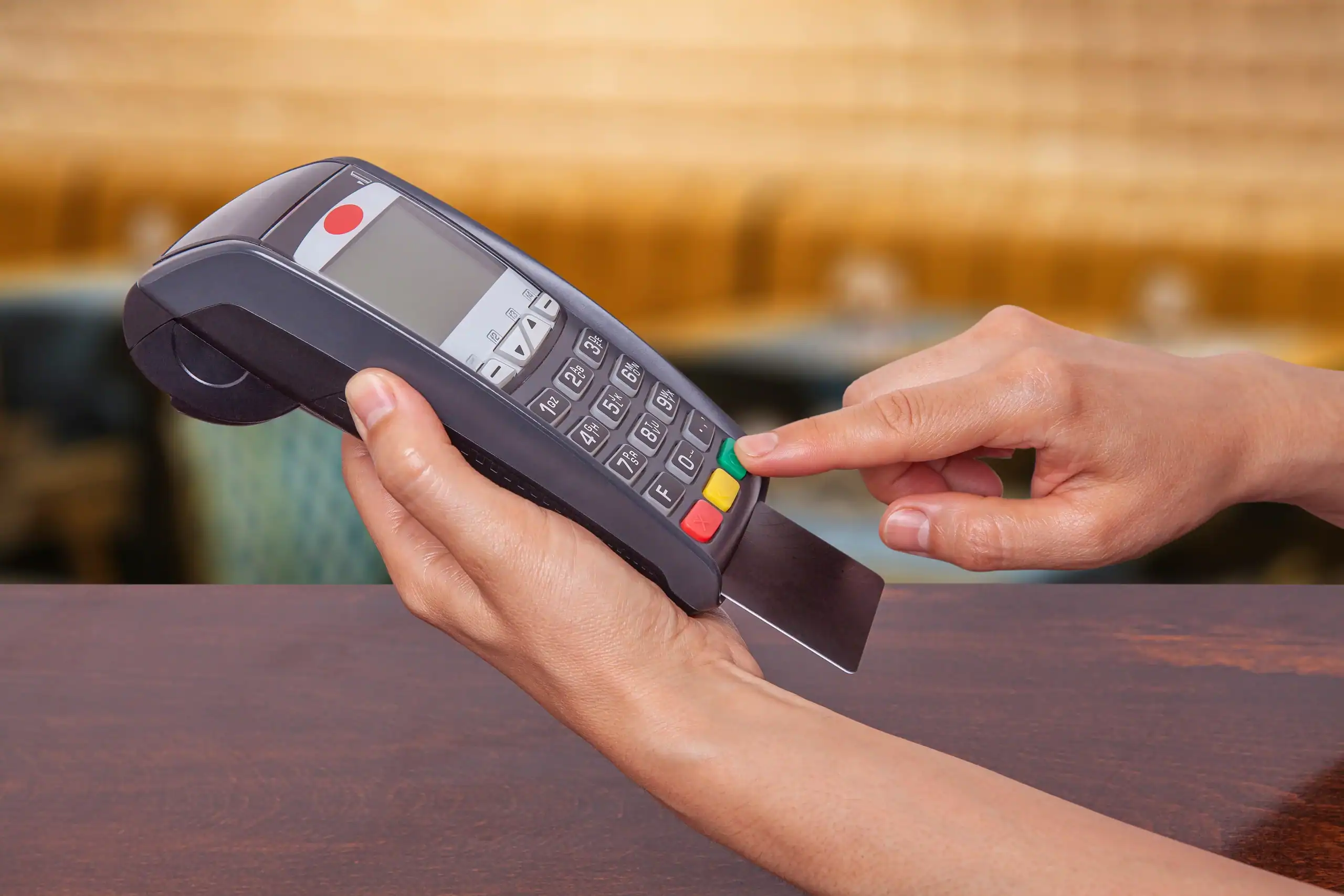
Retail merchant accounts offer the lowest processing rates because they handle the safest type of transaction – when customers physically present their cards. You don’t need to own a traditional retail store to qualify. Any business that accepts payments face-to-face can use this account type, including service providers, contractors, and mobile businesses.
The beauty of retail processing lies in its simplicity and security. When customers swipe, dip, or tap their cards at your terminal, the transaction flows through established networks with minimal fraud risk. This translates to better rates – often 0.5% to 1% lower than card-not-present alternatives.
However, retail accounts come with specific requirements. Most processors expect a certain percentage of your transactions to occur in-person. If you frequently process phone orders or online payments, you might face downgrades that push those transactions into higher-cost categories. The equipment requirements are straightforward – you’ll need a payment terminal, tablet, or smartphone card reader that can handle chip cards and contactless payments.
Consider retail merchant accounts if you primarily serve customers face-to-face, want the lowest possible processing rates, and can commit to processing most transactions with the card physically present. This includes restaurants, salons, repair services, and any business where customers visit your location to complete purchases.
MOTO merchant accounts handle transactions where the card isn’t physically present during processing. This includes phone orders, mail orders, and any situation where you manually enter card information into a virtual terminal. While these transactions carry higher risk and fees than retail processing, they’re essential for businesses that serve customers remotely.
The processing flow works differently than retail transactions. Instead of swiping or dipping a card, you enter the customer’s payment information through a secure virtual terminal – essentially a web-based version of a physical card reader. The system then processes the transaction through the same networks, but with additional verification steps to combat fraud.
MOTO processing typically costs 0.3% to 0.8% more than retail rates due to increased fraud risk. However, many businesses find this worthwhile for the flexibility it provides. You can accept payments from customers anywhere, process recurring transactions easily, and handle orders outside normal business hours.
The setup requirements are minimal – you need internet access and a virtual terminal provided by your processor. Some businesses combine MOTO capabilities with retail processing to handle both in-person and remote transactions. This hybrid approach works well for service businesses that sometimes travel to customer locations and sometimes work from their office.
MOTO accounts make sense if you regularly take orders over the phone, process mail-in payments, handle recurring billing, or need flexibility to accept payments when customers can’t visit in person. Industries like home services, consulting, and subscription businesses often rely heavily on MOTO processing.
Want live answers?
Connect with a Merchant Pro Inc expert for fast, friendly support.
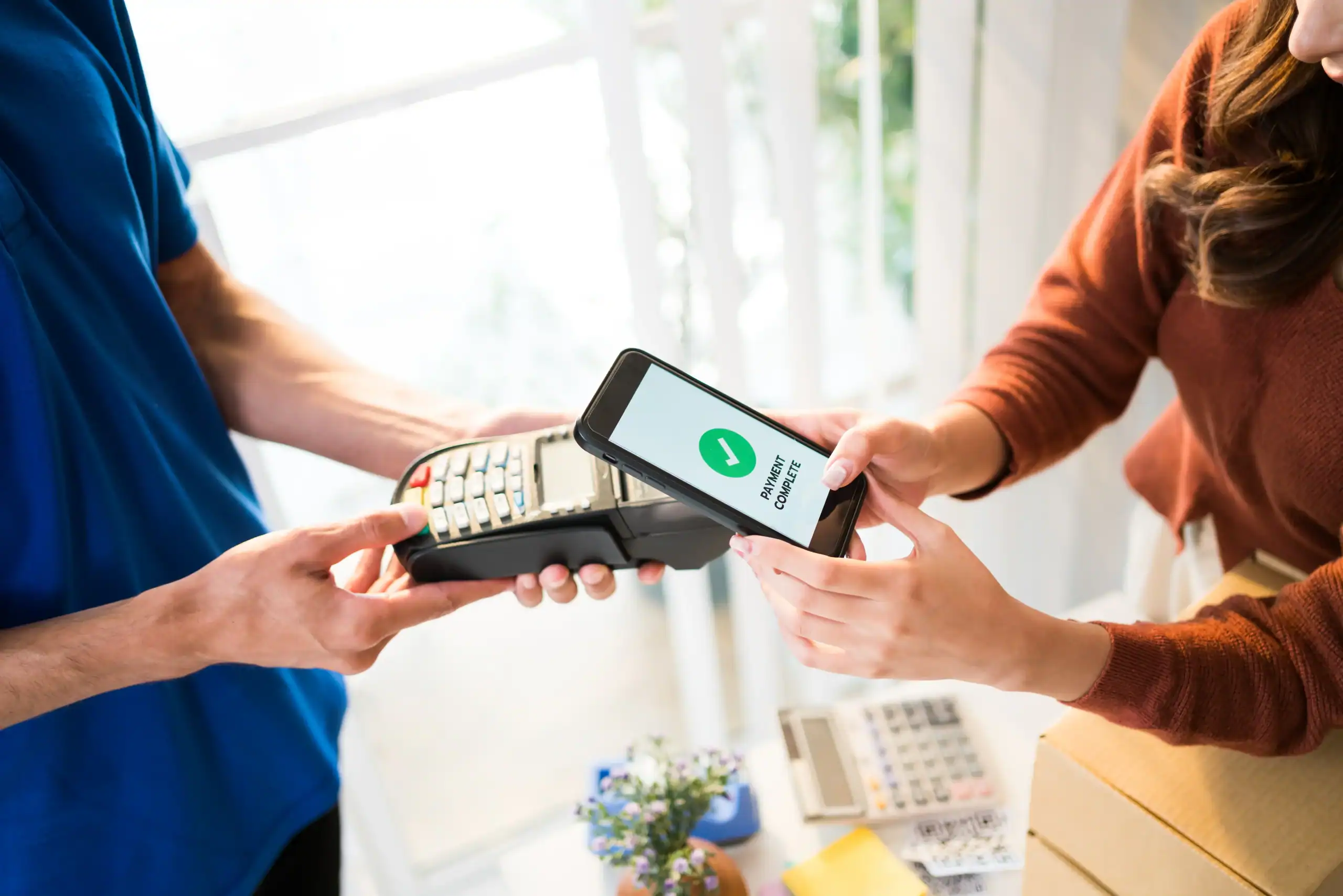
E-commerce merchant accounts are specifically designed for online transactions processed through websites, mobile apps, or digital platforms. These accounts integrate with payment gateways that securely capture and transmit customer payment information from your website to the processing networks.
The technical requirements are more complex than retail or MOTO setups. You need a payment gateway that connects your website to your merchant account, SSL certificates for secure data transmission, and PCI compliance measures to protect customer information. However, modern e-commerce platforms often handle much of this complexity automatically.
Processing rates for e-commerce transactions typically fall between retail and MOTO pricing, though this varies by processor and transaction volume. The automated nature of online processing can actually reduce some costs while the card-not-present risk increases others.
Your transaction volume and average sale amount significantly impact which merchant account type makes financial sense. High-volume businesses often negotiate better rates regardless of account type, while low-volume businesses need to focus on avoiding monthly fees and minimums that could eat into profits.
Consider your customer preferences and industry standards. If your competitors accept online payments and you don’t, you’re likely losing sales. Conversely, if you’re in a cash-heavy industry, investing in expensive e-commerce capabilities might not provide adequate returns.
Security requirements vary dramatically between account types. Retail processing has the simplest compliance needs because card data doesn’t linger in your systems. E-commerce requires robust data protection measures, regular security scans, and ongoing PCI compliance. MOTO falls somewhere in the middle but requires careful handling of any stored payment information.
Integration with your existing business systems matters more than many business owners realize. Your merchant account should work seamlessly with your POS system, accounting software, and inventory management tools. Poor integration creates manual work, increases error rates, and can actually cost more than higher processing fees.
Think about your growth plans too. If you currently operate retail-only but plan to add online sales, starting with a processor that can easily add e-commerce capabilities later might be worth slightly higher initial costs. Similarly, service businesses that might expand into recurring billing should ensure their processor can handle MOTO transactions efficiently.
The biggest mistake businesses make is choosing based solely on advertised rates. Those low rates often come with conditions that don’t match real-world usage patterns. A processor advertising 1.5% rates might charge 3.5% for transactions that don’t meet strict qualification criteria – and most transactions don’t qualify.
Understanding the complete fee structure prevents nasty surprises. Look beyond the headline processing rate to monthly fees, statement fees, PCI compliance costs, and equipment charges. A processor with slightly higher transaction rates but no monthly fees might cost less for low-volume businesses.
Many businesses also underestimate their true processing needs. They choose a retail account because it’s cheapest, then find themselves paying penalty rates for phone orders they didn’t anticipate. Be honest about how you actually conduct business, not just how you plan to operate.
Contract terms deserve careful attention too. Long-term contracts with early termination fees can trap you with a processor that doesn’t meet your needs. Month-to-month arrangements cost slightly more but provide flexibility as your business evolves.
Don’t ignore customer support quality either. When your payment processing goes down, you need immediate help. Processors that route support calls overseas or make you wait on hold can cost you sales during critical moments. Test their support responsiveness before signing up.
Finally, avoid processors that lock you into their payment gateway or proprietary systems. These arrangements make it expensive and difficult to switch providers later. Choose processors that work with multiple gateways and standard equipment to maintain your flexibility.
Choosing the right merchant account type isn’t just about finding the lowest rates – it’s about matching your actual business operations with the right processing solution. Retail accounts work best for face-to-face transactions, MOTO accounts handle phone and mail orders efficiently, and e-commerce accounts power online sales.
Take time to honestly assess how you currently process payments and how that might change as your business grows. Consider the total cost of ownership, including fees, equipment, and compliance requirements. Most importantly, choose a processor that provides reliable support and can adapt as your needs evolve.
For businesses in Maryland, Virginia, and DC looking for expert guidance on merchant account selection, we at Merchant Processing Solutions Inc offer personalized consultations to help you find the most cost-effective solution for your specific situation.
Summary:
Article details:
Share: