Contact Info
Mobile and tablet POS systems are changing how businesses handle transactions. Lower hardware costs, portability, and cloud-based reporting are driving the shift.
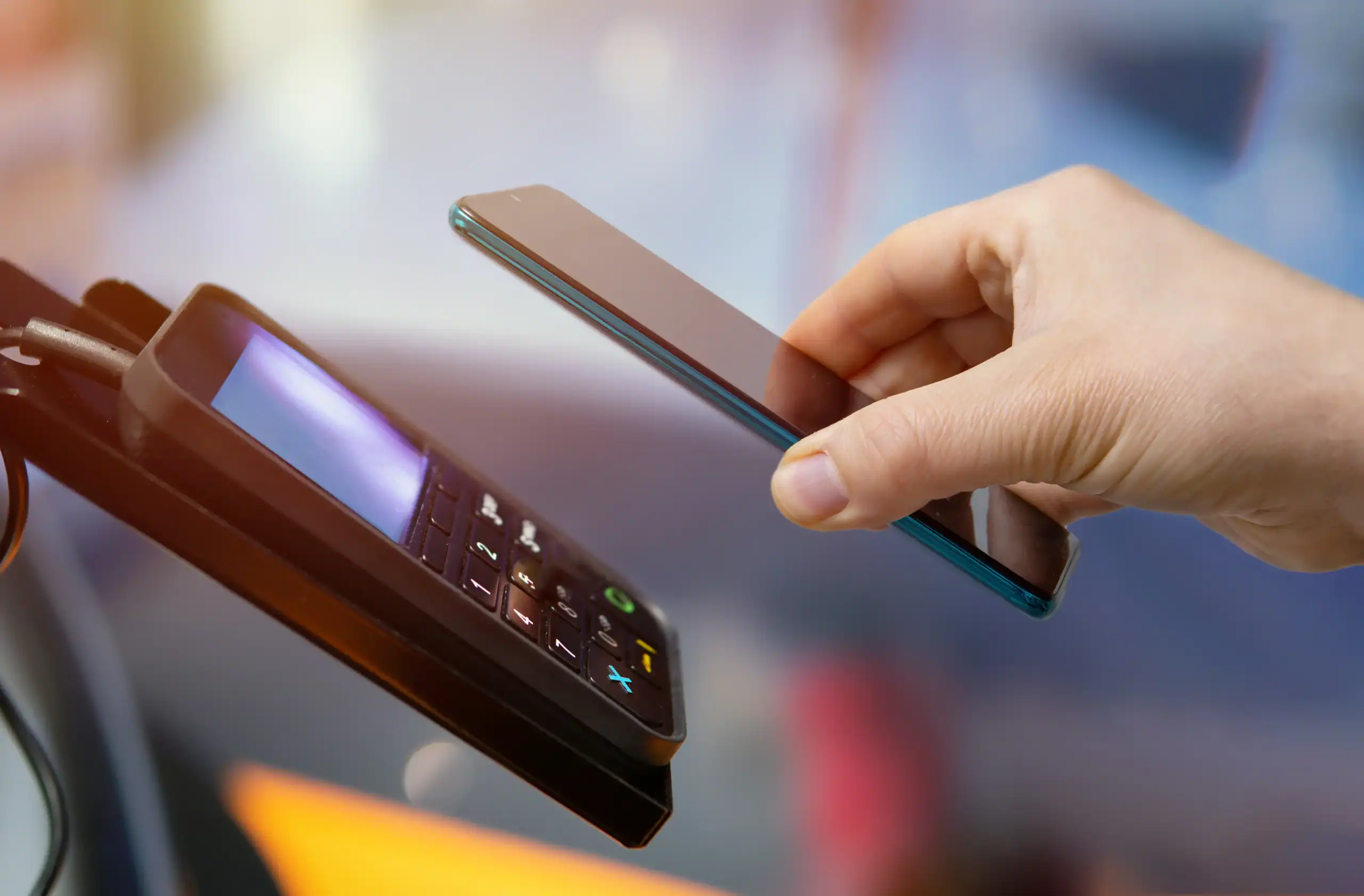
The difference between traditional and mobile point of sale systems isn’t just about size or looks. Traditional POS systems run on dedicated terminals, usually fixed to a counter or checkout station. They need specialized hardware, often require on-site servers, and keep you anchored to one spot. Mobile POS systems run on tablets or smartphones you might already own.
That shift changes everything about your merchant services setup. Your staff can take payments tableside at a restaurant. They can ring up customers anywhere in your retail store. They can process transactions at pop-up events or outdoor markets without hauling around heavy equipment.
The data lives in the cloud instead of on a single machine in your back office. You can check sales reports from home. You can monitor inventory from another location. And if something happens to one device, your data doesn’t disappear with it because it’s backed up automatically.
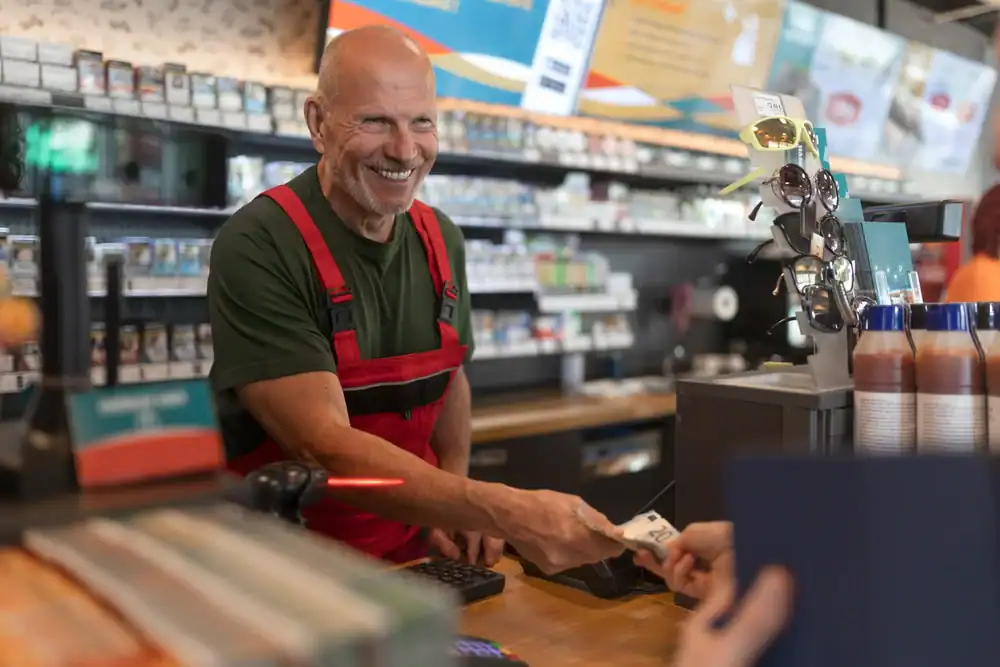
Traditional POS setups hit you with serious upfront costs. You’re looking at specialized terminals, cash drawers, receipt printers, barcode scanners, and often a dedicated back-office computer. The hardware alone can run anywhere from $1,500 to $3,000 per station, and that’s before you factor in installation and training.
Tablet POS systems flip that model. Many businesses already have tablets or smartphones they can use. Even if you need to buy new hardware, a complete iPad-based setup with a stand, card reader, and receipt printer typically costs between $500 and $1,000. That’s a significant difference, especially if you’re running multiple checkout stations or opening a new location.
The cost savings don’t stop at hardware either. Traditional systems often require IT professionals for setup, maintenance, and troubleshooting. Tablet systems are designed for plug-and-play simplicity. Updates happen automatically through the cloud. If you need to add a new register, you download the app on another device instead of ordering and installing an entirely new terminal.
You’re not sacrificing functionality for affordability. Modern mobile payment processing software includes inventory management, customer databases, sales reporting, employee management, and integration with accounting platforms. The features that used to require expensive, complex systems now run smoothly on a tablet that fits in your hand.
This matters for growing businesses. When you’re ready to expand, adding another checkout point doesn’t mean another major capital investment. You can scale at your own pace without hardware costs holding you back. We help you find solutions that grow with you, not drain your budget every time you need to add capacity.
Here’s what happens with a traditional POS system. You ring up sales all day. At the end of your shift, you run reports from the back office computer. If you want to check how a new product is selling or see if you need to restock a popular item, you have to physically go to that computer. If you’re at home or at another location, you’re out of luck until you get back.
Cloud-based mobile POS systems change that completely. Every transaction updates instantly across all your devices. You can pull up today’s sales from your phone while you’re still on your morning commute. You can check which products are moving fastest while you’re meeting with a supplier. You can see which employee processed the most transactions without being on-site.
This real-time access isn’t just convenient. It changes how you make decisions. You notice trends faster. You can respond to problems before they become bigger issues. If a product is selling out faster than expected, you know about it immediately instead of discovering it when a customer asks and you’re already out of stock.
The data syncs automatically across all your locations if you’re running multiple stores. You get a complete view of your business from a single dashboard. No more manually consolidating reports from different systems or trying to piece together what’s happening across your operation.
Your sales data, inventory levels, customer information, and employee performance metrics all live in one place. You can access them from anywhere with an internet connection. And because the system backs up continuously to the cloud, you don’t have to worry about losing everything if a computer crashes or a device gets damaged.
For businesses in the DC, Virginia, and Maryland area juggling multiple responsibilities, this accessibility matters. You can keep your finger on the pulse of your business without being physically present at every moment. That’s not just about convenience. It’s about running your operation smarter with modern merchant services technology.
Want live answers?
Connect with a Merchant Pro Inc expert for fast, friendly support.
Your customers aren’t carrying as much cash as they used to. They’re tapping phones and watches to pay. They’re using digital wallets like Apple Pay and Google Pay. They expect contactless options and fast transactions. If your payment processing system can’t keep up with how people actually want to pay, you’re creating friction at the worst possible moment.
Mobile POS systems are built for this reality. They accept credit and debit cards, obviously. But they also handle NFC payments, digital wallets, and contactless transactions without requiring you to buy separate equipment for each payment type. The same card reader that processes a chip card also accepts a tap from someone’s phone.
The technology adapts as payment methods evolve. When new payment options become popular, your cloud-based system updates to support them. You’re not stuck with outdated hardware that can’t process the payment methods your customers prefer.
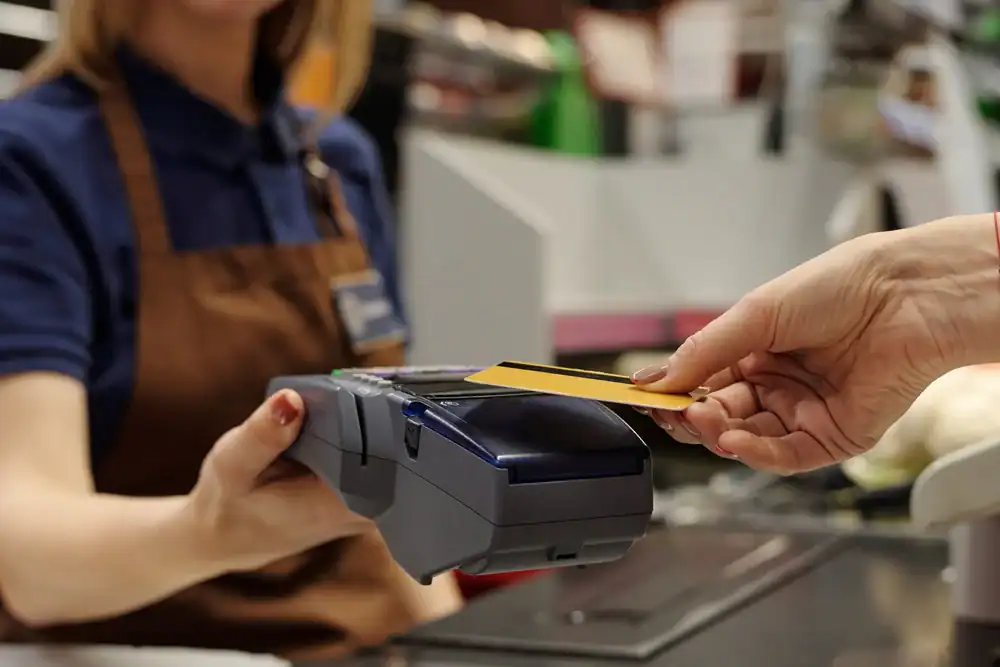
Being able to move your POS terminals around doesn’t sound revolutionary until you experience what it actually enables. In a restaurant, servers can take orders and process payments right at the table. Orders go straight to the kitchen. Customers pay without waiting for someone to run their card to a fixed terminal and back. Table turnover speeds up. Mistakes from miscommunication decrease.
In retail, your staff can help customers on the sales floor and complete the transaction right there. No more losing a sale because someone didn’t want to walk to the front of the store. No more lines forming at a single checkout counter while customers browse. You can set up temporary checkout stations during busy periods and break them down when traffic slows.
For businesses that operate in multiple locations or at events, portability becomes essential. Food trucks, farmers market vendors, pop-up shops, and mobile service providers can’t use traditional fixed terminals. They need merchant services solutions that travel with them and work reliably wherever they set up.
The flexibility extends to your physical space too. You’re not locked into a specific store layout based on where you installed your POS terminals. Want to rearrange your retail floor? Move your checkout area? Test a different configuration? You can do it without calling an IT professional to relocate hardwired equipment.
This mobility also means you can meet customers where they are instead of making them come to you. Long line at the main register? Open up another checkout point anywhere in your store. Customer ready to pay while they’re still browsing? Complete the sale on the spot. Event or outdoor sale? Bring your entire POS system with you on a tablet.
The practical impact shows up in your daily operations. Faster transactions mean you serve more customers in the same amount of time. Reduced wait times mean happier customers who are more likely to come back. The ability to process sales anywhere means you capture revenue you might have lost when customers didn’t want to wait in line or couldn’t find someone to help them check out.
The biggest concern people have about cloud-based systems is obvious: what happens when your internet connection fails? It’s a legitimate question. If your system requires internet to function and your connection drops, you could be stuck unable to process sales. That’s not theoretical. It’s a real risk that needs a real answer.
Modern mobile POS systems have solved this with offline mode. When your internet connection drops, the system automatically switches to offline operation. You can still process transactions, take payments, and ring up sales. The system stores everything locally on your device. When your connection comes back, all those transactions sync to the cloud automatically. Your customers never know there was an issue.
The offline capabilities vary by system, so it’s worth understanding what you can and can’t do without internet. Most systems let you process sales and accept payments offline. Some limit certain features like looking up customer purchase history or checking inventory levels at other locations. But the core function—taking money and completing transactions—keeps working.
This is different from traditional on-premise systems that don’t need internet at all. Those systems keep working no matter what happens to your internet connection because everything runs locally. But you give up all the benefits of cloud access, real-time syncing across locations, and automatic backups. You’re trading one type of reliability for another.
For most businesses, the trade-off makes sense. Internet outages don’t happen constantly. When they do, offline mode keeps you running. And the rest of the time, you get all the advantages of cloud connectivity: remote access, automatic updates, real-time reporting, and data that’s backed up continuously instead of sitting on a single machine that could crash.
The key is having a system with robust offline capabilities and understanding what features you’ll have access to during an outage. Some businesses in areas with unreliable internet might still prefer traditional systems. But for most operations in the DC, Virginia, and Maryland region where internet connectivity is generally strong, cloud-based mobile payment solutions offer the better overall package.
Security is another piece of this puzzle. Cloud systems with proper encryption and PCI compliance often provide stronger security than local systems. Your data is backed up automatically to secure remote servers instead of sitting on a single computer in your store that could be stolen or damaged. Payment information is encrypted and tokenized. Updates that patch security vulnerabilities happen automatically instead of requiring manual installation.
The businesses making this switch aren’t doing it because mobile POS systems are trendy. They’re doing it because the old way of handling transactions doesn’t match how they actually operate. The upfront costs are lower. The systems are easier to use and train staff on. The reporting gives them information they can actually use to make better decisions. And the flexibility to take payments anywhere changes what’s possible.
If you’re still running a traditional setup and wondering whether it’s time to upgrade, the question isn’t really about the technology. It’s about whether your current system is helping your business or holding it back. Can you access your sales data when you need it? Can your staff help customers and process payments anywhere in your store? Are you spending too much time on manual inventory tracking and reconciliation?
The shift to mobile and tablet POS systems is happening across the DC, Virginia, and Maryland region for good reasons. If you’re ready to see what modern merchant services can do for your operation, we can walk you through what makes sense for your specific business. The right system should work for you, not the other way around.
Summary:
Share: