
Contact Info


Most small business owners in Beltsville don’t find out they’re overpaying until they sit down with their statement and do the math. A quoted rate of 1.9% quietly becomes 3.4% once transactions get sorted into mid-qualified and non-qualified buckets. That difference on $20,000 a month is over $3,000 a year real money that should be staying in your business.
Interchange-Plus pricing changes that entirely. You see the actual interchange rate the cost set by Visa and Mastercard that every processor pays plus a fixed, disclosed markup on top. Nothing hidden. Nothing that shifts when a customer pays with a rewards card. Just a clear number you can verify every month.
For the construction contractors and trades businesses that make up a significant part of Beltsville’s economy, this matters even more. Fleet card transactions, B2B payments, and corporate purchasing cards all have specific interchange categories that tiered pricing tends to handle poorly. When your pricing model is transparent, those transactions process at their correct cost not at whatever bucket your processor decides to drop them into.
We’re headquartered in Annapolis, Maryland about 30 miles from Beltsville and operate as a Registered ISO of PNC Bank. That ISO registration isn’t a marketing label. It means we’ve been vetted by Visa and Mastercard, operate under bank-level compliance standards, and your funds move through a regulated banking framework, not through an unaccountable reseller.
Beltsville sits in Prince George’s County’s Innovation Corridor an area the county has specifically designated for economic growth, anchored by the USDA’s Beltsville Agricultural Research Center and proximity to NASA Goddard. The businesses in this corridor government contractors, research vendors, construction firms, and the independent restaurants and retailers along Route 1 deserve a processor that understands the range of payment needs here, not one that treats every account the same.
We’ve won the Best of Annapolis Award for Business Development Services two years running 2023 and 2024 and we’re BBB Accredited. Those aren’t decorations. They’re the kind of signals you can verify before you sign anything.

It starts with a statement review. If you’re currently with a processor, bring your last two or three monthly statements and we’ll show you exactly what you’re paying and where. No pressure, no pitch just a clear breakdown of your effective rate, your fee structure, and what a switch would actually save you. For a lot of Beltsville business owners, this is the first time anyone has explained their statement in plain language.
From there, setup is straightforward. We handle the equipment configuration, POS integration, and any fleet card setup you need including WEX, Voyager, and Comdata for contractors and fleet operators along the I-95 corridor. Because Beltsville is an unincorporated community regulated by Prince George’s County rather than a separate municipal government, there’s no additional local licensing layer to navigate on the processing side. Your account is set up under standard Maryland requirements, and we walk you through PCI compliance so your business is protected under Maryland’s Personal Information Protection Act.
Once you’re live, True Daily Funding kicks in every day of the year, including federal holidays. Monday’s revenue settles Tuesday. That’s not a feature that sounds good in a brochure; it’s a cash flow reality that matters when you’re managing payroll, supplier payments, and operating costs week to week.

Ready to get started?
Our core offering is Interchange-Plus pricing the most transparent model in the industry available to every business in Beltsville regardless of size or volume. Whether you’re a restaurant on Baltimore Avenue processing $12,000 a month or a construction contractor running B2B transactions through the Prince George’s Commercial & Technical Park, the pricing structure is the same: you see the real interchange cost, you see the markup, and you can verify both.
For restaurants, that means tip management, fast settlement, and POS integration built for the pace of a working kitchen not a generic retail terminal. Beltsville’s dining corridor along Route 1 includes a well-established Korean restaurant community and a growing Latin American dining scene, and the payment processing needs of an independent restaurant are meaningfully different from a retail shop. Our restaurant payment processing in Beltsville, MD accounts for that.
For B2B and contractor businesses, fleet card processing for WEX, Voyager, and Comdata is supported correctly with the right data fields configured at the terminal so transactions don’t reject or misprocess. And for businesses accepting corporate purchasing cards or government procurement cards, Level 2 and Level 3 data processing is available, which can reduce interchange costs on those transactions significantly. In an area with the federal contractor concentration that Beltsville and the surrounding Innovation Corridor carry, that’s not a niche feature it’s a real cost difference on real transactions.
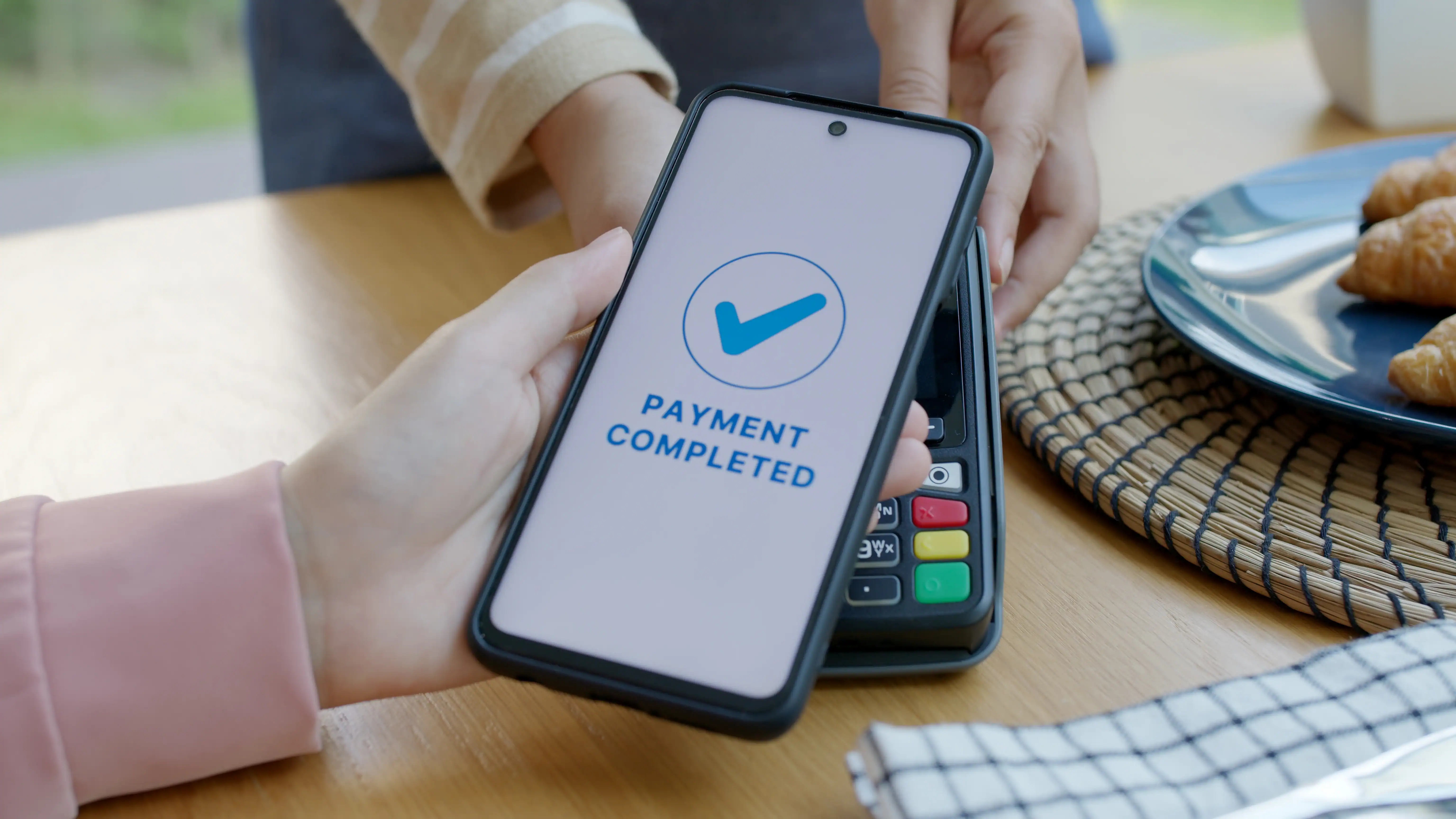
Interchange-Plus pricing separates the two components of your processing cost so you can see both clearly. The first part is the interchange rate the fee set by Visa and Mastercard that every processor in the country pays. It’s not negotiable and it’s the same regardless of who your processor is. The second part is the processor’s markup the amount they add on top. With Interchange-Plus, both numbers are disclosed on your statement every month.
The reason this matters for small businesses in Beltsville is that the alternative tiered pricing bundles these costs together and then sorts your transactions into rate buckets. Most real-world transactions end up in mid-qualified or non-qualified buckets, which carry the highest rates. You were quoted one number and you’re paying another. Interchange-Plus eliminates that. You pay the actual interchange cost for each transaction type, plus a fixed markup that doesn’t change based on how your processor decides to classify the card.
Most processors that advertise “next-day funding” exclude weekends and federal holidays. In Beltsville, where the business calendar is shaped by a significant federal workforce and a long list of federal holidays, that exclusion adds up. A busy Saturday night at a Route 1 restaurant could mean waiting until Tuesday for those funds if a federal holiday falls on Monday. That’s not a minor inconvenience it’s a gap in your operating cash that you have to work around.
True Daily Funding means your transactions settle every single day of the year including federal holidays, weekends, and every day in between. Monday’s revenue is in your account Tuesday. There are no exceptions built into the fine print. For a business managing payroll, supplier invoices, and weekly operating costs, having predictable daily settlement removes a variable that shouldn’t exist in the first place.
If your business has vehicles running on WEX, Voyager, or Comdata fleet cards, then yes and the reason goes beyond just accepting the card. Fleet cards require specific data fields at the point of transaction: driver ID numbers, odometer readings, vehicle identification. A terminal that isn’t configured to capture and transmit that data correctly will either reject the transaction outright or process it without the required fields, which creates reconciliation problems and can trigger chargebacks.
Most generic processors don’t configure fleet card acceptance correctly because it requires knowing what data each network requires and setting up the terminal accordingly. Construction is the largest private-sector industry in Beltsville, and a significant number of contractors and trades businesses in the area run fleets. If your customers or fuel vendors are paying with fleet cards, having a processor who actually understands how to set that up is the difference between transactions that work and transactions that don’t.
A Registered ISO Independent Sales Organization is a company that has been formally registered with Visa and Mastercard and operates under a sponsoring bank’s compliance framework. In our case, that bank is PNC, one of the largest banks in the United States. This registration isn’t something a company can self-declare. It requires vetting, ongoing compliance, and accountability to the sponsoring bank’s standards.
For a business owner in Beltsville evaluating processors, this matters because the alternative is working with an unregistered reseller a company that sells merchant accounts on behalf of a larger processor with no direct accountability structure. Those are the relationships where rates change without notice, support disappears after the sale, and contract terms turn out to be different than what was discussed. The ISO registration is a structural safeguard, not a marketing claim. It means there is a regulated financial institution behind your merchant account, not just a sales organization.
Yes, and the process is more straightforward than most business owners expect. The main variables are your current contract terms and whether you have a long-term agreement with an early termination fee. Before anything else, we’ll review your current statement and your contract so you know exactly what switching costs, if any, are involved. There are no surprises on that end.
Once you decide to move forward, equipment configuration and POS integration happen before your go-live date, so there’s no gap in your ability to accept payments. For restaurants on Baltimore Avenue or retail shops along Route 1, downtime during a transition is not acceptable and it’s avoidable with proper setup. We handle the technical side of the switch, and because we’re Maryland-based and serving the DC-Maryland-Virginia corridor directly, support during and after the transition is accessible without navigating a national call center.
Businesses that sell to federal agencies, government contractors, or other businesses using corporate purchasing cards have access to a lower interchange rate structure that most processors don’t fully support. It’s called Level 2 and Level 3 data processing, and it works by transmitting additional transaction data things like purchase order numbers, tax amounts, and line-item detail that qualify the transaction for a reduced interchange rate.
On a standard B2B transaction, the difference between Level 1 and Level 3 interchange can be significant. A $10,000 transaction qualifying at Level 3 rates instead of standard rates can save $100 or more on that single transaction. For businesses in Beltsville’s Innovation Corridor that regularly process government procurement cards or corporate purchasing cards vendors to BARC, contractors serving federal agencies, or research service providers this isn’t a minor detail. It’s a cost that compounds across every qualifying transaction you process. We support Level 2 and Level 3 data capture and can walk you through whether your current transaction volume makes this worth prioritizing.
Other Services we provide in Beltsville