
Contact Info


When you’re waiting three to five days for funds to hit your account, you’re essentially giving free loans to your processor. That delay affects payroll, inventory orders, and your ability to take advantage of supplier discounts.
Next-day funding changes that. You run a transaction on Monday, and the money’s in your account Tuesday morning. Not Thursday. Not “within 3-5 business days.” Tomorrow.
And it’s not just about speed. When your payment system accepts credit cards, fleet cards, wireless payments, and online transactions all through one processor, you stop juggling multiple statements and fee structures. You get one clear breakdown, one point of contact, and one less thing eating up your time each month.
The businesses around Lanham that are growing aren’t necessarily bringing in more customers. They’re keeping more of what they earn and getting access to it faster.

First, we look at what you’re currently processing and what it’s costing you. That means reviewing your statement line by line, because most businesses don’t realize they’re paying for services they don’t use or getting charged twice for the same thing.
Once we know your actual transaction volume and average ticket size, we recommend equipment and a processing structure that fits. If you’re mobile, you need wireless payment acceptance. If you run a fleet, you need terminals that handle fleet card processing. If you’re online, your gateway setup matters more than your physical terminal.
After equipment is installed and tested, you start processing. Transactions typically settle next day. You’ll see exactly what you paid in fees, what cleared, and when funds hit your account. No surprises, no hidden batch fees, no sudden rate increases because you processed slightly more than usual.
When something breaks or you have a question about a chargeback, you call the same number and talk to someone who already knows your setup. That’s the part most businesses don’t think about until they need it. Then it’s the only part that matters.
Ready to get started?
You get credit card processing for all major cards—Visa, Mastercard, Discover, American Express. That’s standard. But you also get check acceptance with verification, which matters if you work with contractors or B2B clients who still write checks.
Fleet card processing is available if you operate vehicles. That means accepting Voyager, WEX, and other fuel cards without setting up separate accounts. For Lanham businesses near major distribution routes or operating delivery fleets, this eliminates a lot of paperwork.
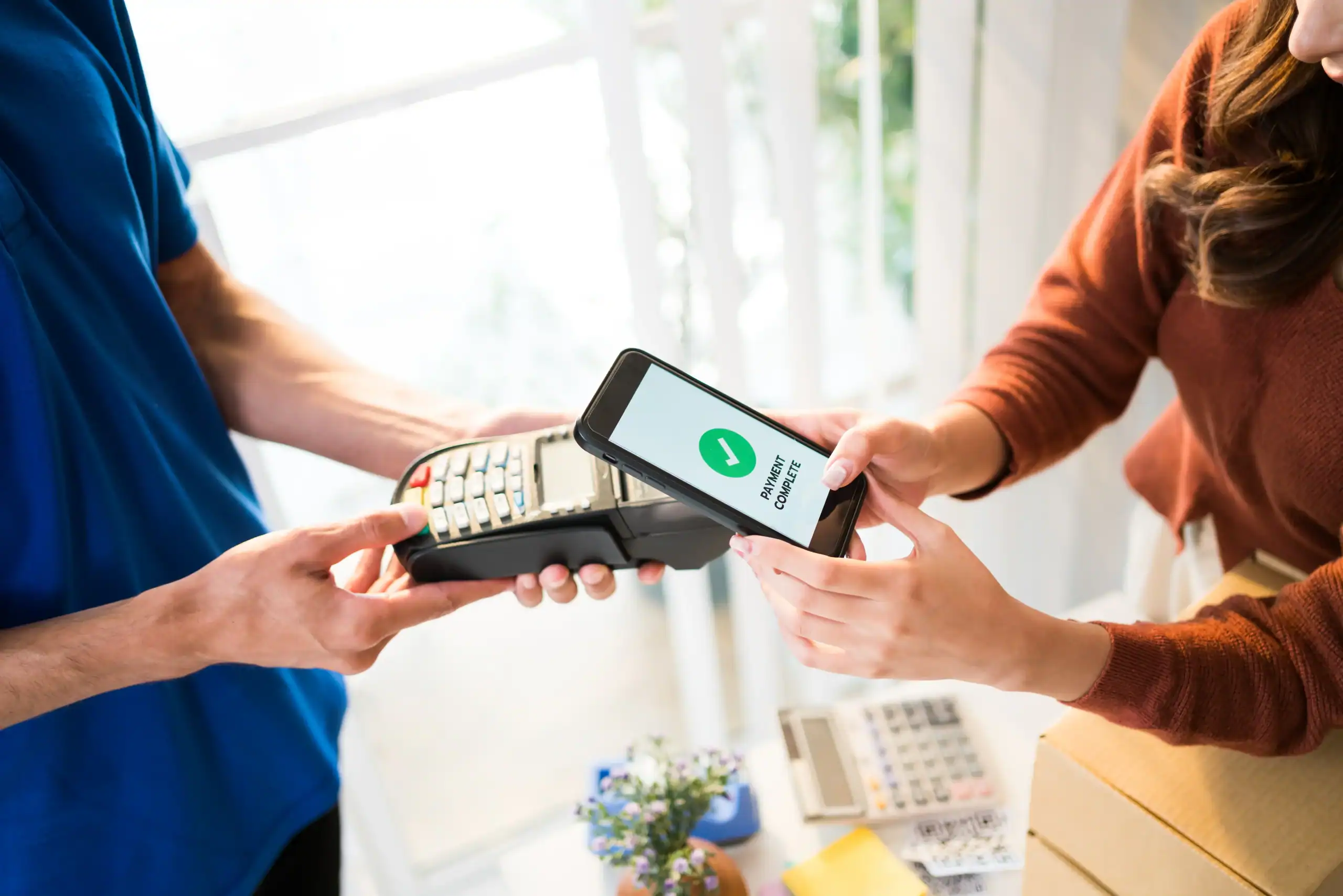
Wireless payment acceptance works for businesses that process payments at customer locations—contractors, mobile services, event vendors. Your terminal connects wherever you have cell service, and transactions settle the same way as in-store payments.
Gift card and loyalty programs run through the same system. You’re not integrating third-party apps or paying separate monthly fees. Customers load value, you track balances, and the program runs in the background without adding complexity to checkout.
Online payment acceptance integrates with your website if you sell remotely. The gateway connects to your merchant account, so online and in-person sales appear on the same statement. You’re not reconciling multiple platforms or wondering why your numbers don’t match at month-end.
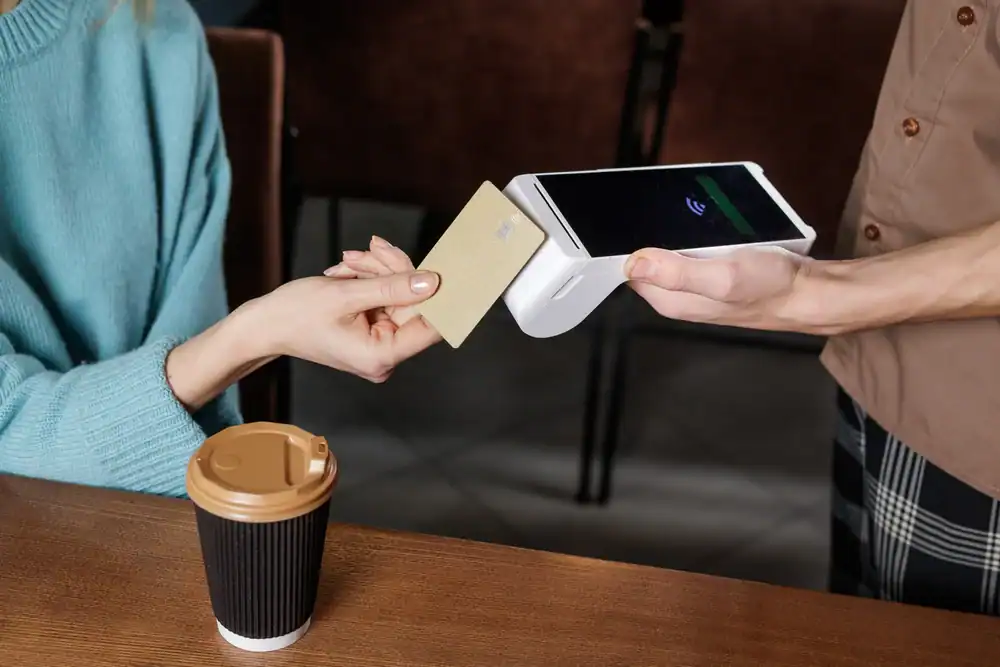
You’ll typically see three types of fees: a percentage of each transaction (usually between 1.5% and 3.5%), a flat per-transaction fee (around $0.10 to $0.30), and a monthly service fee. The percentage varies based on whether the card is swiped, keyed in, or processed online. Swiped cards cost less because there’s lower fraud risk.
What drives your rate up or down is your average transaction size and monthly volume. If you process $50,000 a month with an average ticket of $100, you’ll pay less per transaction than someone processing $5,000 a month at $15 per ticket. Processors price based on risk, and higher volume with larger tickets means lower risk.
The fees that catch businesses off guard are the ones buried in statements. PCI compliance fees, batch fees, statement fees, early termination fees. Those add up to $30-$50 a month that you weren’t expecting. We lay out total cost upfront, so you know what you’re paying before you sign anything.
Standard settlement means funds from Monday’s transactions hit your account Wednesday or Thursday. Next-day funding means Monday’s sales are in your account Tuesday morning. That’s a 24-hour difference, but it matters when you’re managing cash flow week to week.
The reason most processors don’t offer next-day funding by default is that it increases their risk. They’re fronting money before the transaction fully clears the card networks. But for established businesses with consistent processing history, that risk is minimal, and next-day funding becomes available.
If you’re paying suppliers on net-15 terms or covering payroll every two weeks, having access to revenue a day or two earlier gives you more flexibility. You’re not floating expenses on a credit line or delaying payments because you’re waiting for batches to settle. The money you earned yesterday is available today.
Not automatically. Fleet cards like WEX, Voyager, and Fuelman require specific terminal programming and a processor that supports fleet card networks. Regular credit card terminals aren’t set up to capture the additional data fleet cards require—driver ID, odometer reading, vehicle number.
If you operate vehicles or serve customers who do, fleet card acceptance matters. These cards are designed for fuel and vehicle-related purchases, and many businesses prefer them because they simplify expense tracking and prevent misuse. But you need a processor who handles fleet transactions, not just consumer credit cards.
The setup process involves registering with fleet card networks and configuring your terminal to prompt for the right information. Once that’s done, fleet card transactions process like any other sale. You’ll see them on your statement, and they settle on the same schedule as your credit card payments.
If your terminal goes down during business hours, you need it fixed immediately. Every minute you can’t process payments is revenue walking out the door. That’s why having a local processor with actual support matters more than saving $10 a month on fees.
When you call us, you’re talking to someone who can troubleshoot your specific terminal and account setup. We can walk you through a reboot, push settings remotely, or dispatch a replacement terminal if the hardware failed. Most issues get resolved within an hour. If we need to replace equipment, you’ll have it the next business day.
Compare that to calling a national processor where you’re routed through a call center, transferred between departments, and eventually told a technician will call you back within 24-48 hours. If you’re a restaurant on a Saturday night or a retailer during a weekend rush, that’s not acceptable. You need someone who answers, knows your setup, and fixes it now.
No. Your in-store terminal and online payment gateway should connect to the same merchant account. That way, all transactions appear on one statement, settle to the same bank account, and get reconciled together. When systems are separate, you’re managing multiple logins, multiple fee structures, and multiple points of failure.
The gateway we set up for online payments integrates with most e-commerce platforms and shopping carts. Customers enter their card information on your website, the gateway securely processes the transaction, and the sale appears in your merchant account just like an in-person swipe. You’re not logging into different dashboards to see what sold where.
This also simplifies accounting. At the end of the month, you’re not trying to match deposits from three different processors to figure out your actual revenue. Everything runs through one system, and your bookkeeper sees one set of transactions. It’s cleaner, faster, and way less frustrating when you’re trying to close the books.
Gift card programs let customers prepay for future purchases. You sell a $50 gift card, that $50 goes into your account immediately, and the card holds the balance until someone spends it. When they use the card, the terminal deducts the purchase amount and tracks the remaining balance. You’re not managing spreadsheets or physical punch cards.
Loyalty programs reward repeat customers. Every time someone makes a purchase, they earn points or credits toward future discounts. The system tracks this automatically, so you’re not manually recording visits or trying to remember who’s earned what. Customers swipe a loyalty card or enter their phone number, and the terminal applies their rewards.
Both programs run through your existing payment terminal. You’re not buying separate hardware or paying for standalone software. The card designs and program rules are customizable, so you decide what works for your business. And because it’s integrated with your merchant account, you see gift card sales and loyalty redemptions on the same statement as regular transactions.
Other Services we provide in Lanham