Contact Info
Discover how Fort Washington and Prince George's County businesses are cutting processing fees and getting faster payments with local merchant services that actually answer the phone.

Processing fees aren’t one number. They’re a combination of interchange fees, assessment fees, and your processor’s markup. Right now, you’re probably paying somewhere between 1.5% and 3.5% per transaction, but that range is massive when you’re doing volume.
Interchange fees go to the bank that issued your customer’s card. Assessment fees go to Visa, Mastercard, or whichever network is involved. Your processor’s markup is what they charge on top of those two. That’s the part you can actually negotiate.
The problem is that most processors don’t break this down. They give you one blended rate and hope you don’t ask questions. That’s how hidden fees slip in—PCI compliance charges, monthly minimums, early termination penalties. Before you know it, you’re paying hundreds more than the rate you thought you signed up for.
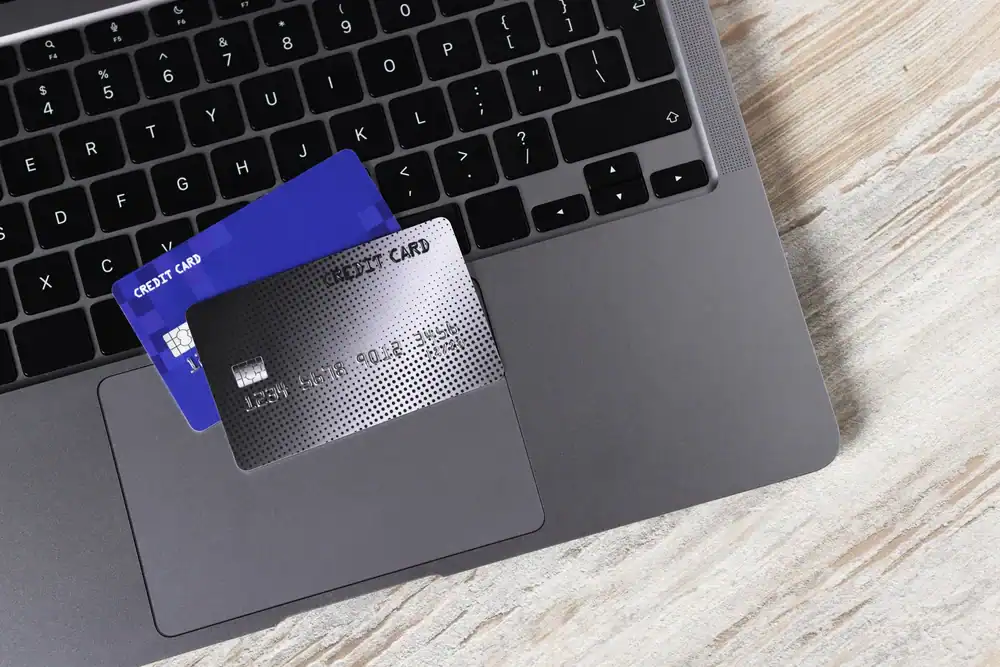
If you’ve noticed your processing costs creeping higher even though your sales haven’t changed much, you’re not imagining it. The mix of cards your customers use has shifted, and it’s costing you more.
Consumer credit cards—the basic ones with no rewards—used to make up a bigger chunk of transactions. Those cost less to process. But over the past few years, more customers are using premium rewards cards and corporate cards. Those come with fees that are 50% higher than standard consumer cards.
Your processor isn’t raising rates. The cards themselves cost more. And if you’re on a blended pricing model, your processor is averaging all those costs together and charging you one flat rate—which means you’re subsidizing the expensive cards even when customers use cheaper ones.
That’s why transparent pricing matters. Interchange-plus pricing shows you the actual cost of each transaction, plus the processor’s markup. You see exactly what you’re paying and why. No averaging. No surprises. Just the real numbers.
Maryland law does offer some protection here. If you’re a small business, early termination fees are capped at $500. That’s important because some processors try to lock you into multi-year contracts with penalties that run into the thousands. Knowing your rights keeps you from getting stuck in a bad deal.
The other thing driving costs up: technology issues. Right now, only about 43% of card transactions go through without needing help from staff or the customer. Declined cards, frozen screens, tap-and-pay that doesn’t work—all of that slows you down and frustrates customers. When your system works the first time, every time, you process more transactions in less time. That’s worth more than a slightly lower rate with equipment that constantly glitches.
When your terminal stops working at 5 PM on a Friday, who picks up the phone? If you’re with a national processor, you’re probably getting a call center three states away. They’ll open a ticket. Someone might call you back Monday.
Local support means someone who knows Fort Washington, understands your business, and can actually show up if the problem needs hands-on fixing. You’re not a ticket number. You’re a business we drive past on our way home.
That difference shows up in a lot of small ways. We understand seasonal patterns in Prince George’s County. We know when restaurants get slammed, when retail picks up, when service businesses see their busy months. We can adjust your setup to handle volume spikes without charging you for equipment you only need twice a year.
We also understand the local business climate. Maryland businesses are dealing with rising costs across the board—nearly 80% reported higher expenses last year. When margins are that tight, every percentage point on your processing fees matters. We’re more likely to work with you on pricing because we want to keep your business, not just process you through a national sales funnel.
And if something goes wrong—chargebacks, disputes, compliance questions—you’re talking to someone who knows Maryland regulations. We can walk you through what you need to do, not send you a generic email with a link to a help center article.
The hands-on piece is huge. We come to your location to install equipment, train your staff, and make sure everything works before we leave. If you add a new terminal or upgrade your system, we’re there to set it up. You’re not watching YouTube videos trying to figure out why the card reader won’t connect.
Want live answers?
Connect with a Merchant Pro Inc expert for fast, friendly support.
Comparing processors isn’t as simple as looking at the advertised rate. You need to know what you’re actually comparing.
Start by asking every processor for their complete fee schedule. Not just the transaction rate—everything. Monthly fees, PCI compliance fees, statement fees, batch fees, equipment costs, early termination penalties. If they won’t give you the full breakdown, walk away.
Next, figure out your effective rate. Take your total monthly fees and divide by your total monthly volume. That’s what you’re really paying. A processor advertising 2.5% might actually cost you 3.2% once you factor in all the extras.

Transparent pricing means you can look at your statement and see exactly what you paid for. Interchange fees broken out by transaction type. Assessment fees listed separately. The processor’s markup clearly marked.
Interchange-plus pricing is the cleanest model. You pay the actual interchange rate for each transaction, plus a fixed markup. If a customer uses a debit card, you pay the debit interchange rate. If they use a premium rewards card, you pay that rate. Your processor’s fee stays the same either way.
Compare that to blended or tiered pricing, where the processor averages everything together and charges you one rate. Sounds simpler, but it usually costs more. You’re paying the higher rate even on transactions that should cost less. And when card networks raise interchange fees—which they do regularly—your blended rate goes up without explanation.
The other advantage of interchange-plus: you can actually compare processors. When everyone’s quoting you a blended rate, you have no idea what you’re really paying. But if two processors both offer interchange-plus, you just compare their markup. The one with the lower markup wins.
Hidden fees are the other piece. Monthly minimums. PCI compliance fees. Statement fees. Batch fees. Equipment rental. Some processors stack these on top of your transaction fees, and suddenly your effective rate is a full percentage point higher than what you thought you were paying.
Ask for a complete fee schedule before you sign anything. If a processor won’t give you one, that’s a red flag. Any legitimate provider will show you exactly what you’ll pay, in writing, with no surprises. When you’re ready to switch credit card processors, having this information makes the decision clear.
Your payment setup should match how your customers actually want to pay. That means more than just a countertop terminal.
Most customers expect to use mobile wallets—Apple Pay, Google Pay, Samsung Pay. About 78% of online bookings happen on mobile devices, and 90% of customers prefer booking online. If your system doesn’t support tap-to-pay and mobile wallets, you’re making it harder for people to give you money.
The equipment itself matters too. Older terminals are becoming obsolete fast. Security standards keep changing, and if your hardware can’t keep up, you’ll either have to replace it or deal with higher fees for non-compliant transactions. Modern terminals handle chip cards, contactless payments, and mobile wallets without needing constant updates.
If you do any business online—taking orders through your website, sending invoices, processing payments over the phone—you need a payment gateway that integrates with your system. Some processors lock you into their gateway, which means you can’t shop around for better rates later. Others let you use third-party gateways, giving you more flexibility.
For businesses that do both in-person and online sales, you want one system that handles everything. Separate processors for your store and your website means double the fees, double the statements, and double the headache when something goes wrong.
Mobile payments are another consideration. If you do deliveries, off-site services, or pop-up events, you need a mobile card reader that works on your phone or tablet. Make sure it’s included in your setup, not an add-on that costs extra every month.
The goal is to make accepting payments as frictionless as possible. The easier it is for customers to pay, the more transactions you complete. The fewer technical issues you deal with, the more time you spend actually running your business instead of troubleshooting payment problems.
You don’t need the cheapest rate. You need a rate you can understand, equipment that works, and someone who answers when you call.
Transparent pricing, local support, and faster funding aren’t extras—they’re what you should expect from any processor worth working with. If your current setup doesn’t deliver that, it’s worth looking at what else is out there.
Fort Washington, Greenbelt, Oxon Hill, Upper Marlboro—businesses across Prince George’s County are dealing with the same challenges. Rising costs, tight margins, and payment processors that treat you like a number. The ones that are thriving are the ones that found partners who actually understand local business.
If you’re ready to see what better processing looks like, we work with businesses right here in Prince George’s County, MD. Real support. Honest pricing. No surprises.
Summary:
Share: