Contact Info
A merchant account lets your business accept credit and debit cards—but it's more than just a bank account. Here's what you need to know.
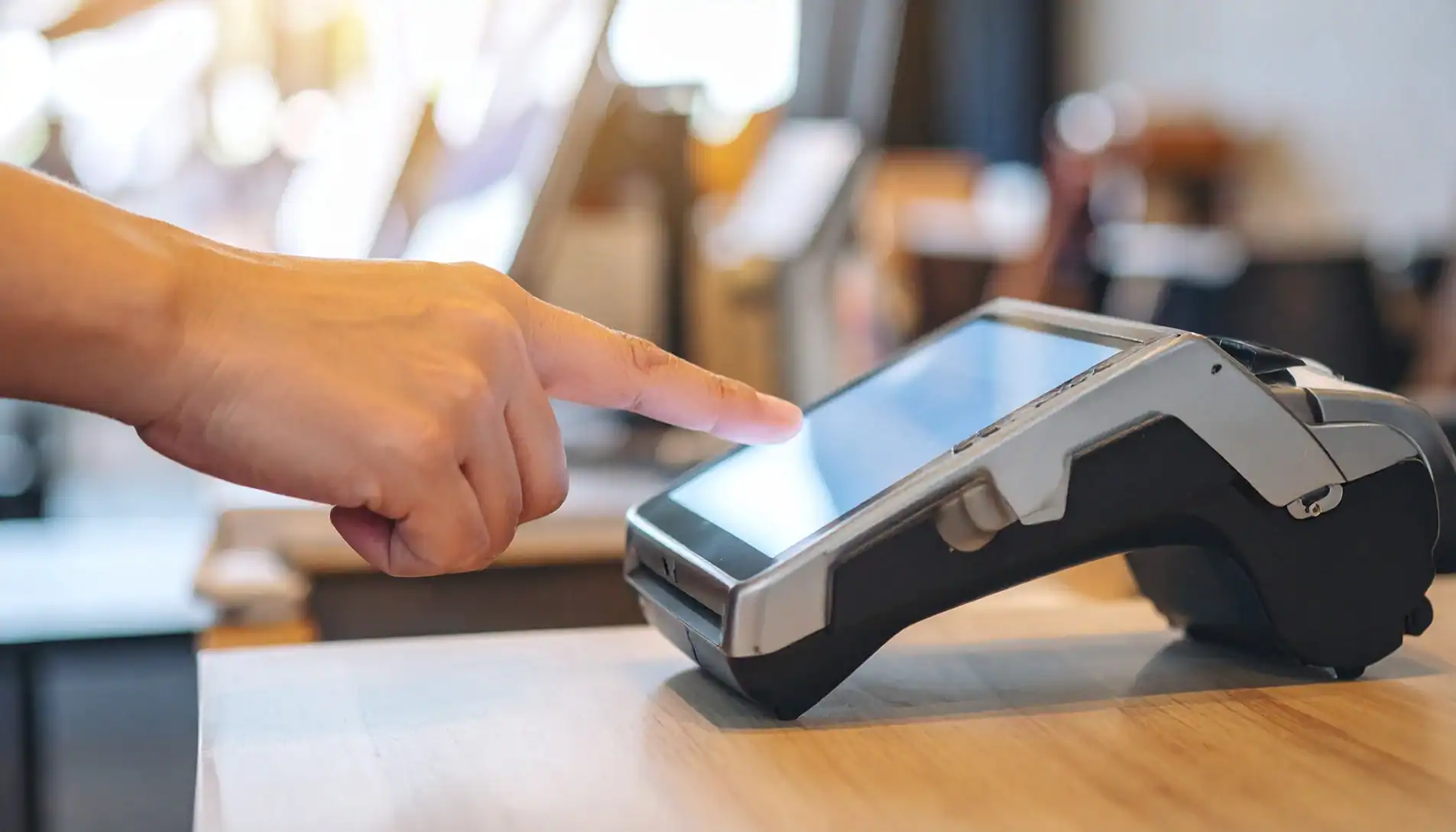
A merchant account is a type of business bank account designed specifically to accept and process electronic payments. When a customer pays with a credit card, debit card, or digital wallet, the money doesn’t go straight to your regular business checking account. It goes to your merchant account first.
Think of it as a holding area. The merchant account temporarily stores funds while the transaction is verified, approved, and settled. Once everything clears—usually within one to two business days—the money transfers to your business bank account, minus any processing fees.
Without a merchant account, you can’t accept card payments. You’re limited to cash and checks, which means you’re turning away a significant portion of potential customers who expect the option to pay electronically.

Here’s what happens behind the scenes when a customer swipes, taps, or enters their card information. The process moves fast, but there are several steps involved.
First, the customer initiates payment—either by handing you their card in person or entering their details online. Your point-of-sale system or payment gateway captures that information and sends it to your payment processor. The processor then contacts the customer’s bank to verify the card is valid and has enough available credit or funds to cover the purchase.
If everything checks out, the transaction gets approved. The funds are placed on hold in the customer’s account and moved into your merchant account. This usually happens within seconds during the transaction itself. But the money doesn’t stay there permanently.
At the end of each business day, you submit a batch of all approved transactions for settlement. The payment processor reviews these transactions, deducts applicable fees, and initiates the transfer to your business bank account. Depending on your provider and account setup, you’ll typically see those funds within one to two business days. Some providers even offer same-day deposits for an additional fee or as part of premium plans.
The merchant account acts as the bridge between the customer’s bank and yours. It’s designed to handle the complexities of card payments—authorization, fraud checks, chargebacks, and compliance—so your business doesn’t have to manage those processes manually. It also protects both you and your customers by ensuring transactions are legitimate before funds change hands.
This system is why businesses can accept payments from virtually any credit or debit card, regardless of which bank issued it. The merchant account, along with your payment processor and gateway, coordinates with card networks like Visa, Mastercard, Discover, and American Express to make sure everything flows smoothly. Without it, you’d have no way to tap into that infrastructure.
People often confuse merchant accounts with payment processors, but they serve different roles in the transaction process. Understanding the distinction helps you make better decisions when setting up your payment systems.
A payment processor is the service or company that facilitates the actual movement of funds. It acts as the intermediary between your business, the customer’s bank, the card networks, and your merchant account. The processor handles authorization requests, communicates approval or decline messages, and coordinates the settlement of funds. Essentially, it’s the engine that makes transactions happen.
Your merchant account, on the other hand, is where the money sits temporarily during this process. It’s the actual account—similar to a bank account—that holds funds from card transactions until they’re ready to be transferred to your business checking account. The processor moves money in and out of the merchant account, but the account itself is a separate entity.
Here’s a helpful way to think about it: the payment processor is like the delivery service, and the merchant account is like the warehouse. The processor picks up funds from the customer’s bank, verifies everything is legitimate, and delivers them to your merchant account. From there, the funds are transferred to your business account once settlement is complete.
In many cases, the same company provides both services. For example, when you sign up with a merchant services provider, they often set you up with both a merchant account and access to their payment processing network. This makes the experience seamless, but it’s still two distinct components working together.
Some businesses use third-party payment service providers like PayPal or Square, which operate differently. These platforms use what’s called an aggregate merchant account. Instead of giving you your own dedicated merchant account, they pool multiple businesses under one master account. You become a sub-merchant. This setup is faster and easier to get started with, especially for new or low-volume businesses, but it can come with limitations like holds on funds, less control, and potentially higher fees as you scale.
Want live answers?
Connect with a Merchant Pro Inc expert for fast, friendly support.
Accepting credit and debit cards isn’t optional anymore. It’s expected. Customers want the convenience, and many don’t carry cash at all. Over 40% of Americans make zero purchases with cash in a typical week. If you can’t accept cards, you’re not just inconveniencing people—you’re actively losing sales.
A merchant account gives you access to the payment infrastructure that makes card acceptance possible. It allows you to meet customer expectations, increase your average transaction size, improve cash flow, and operate more efficiently. It also signals credibility and professionalism, which matters when customers are deciding whether to trust your business with their money.
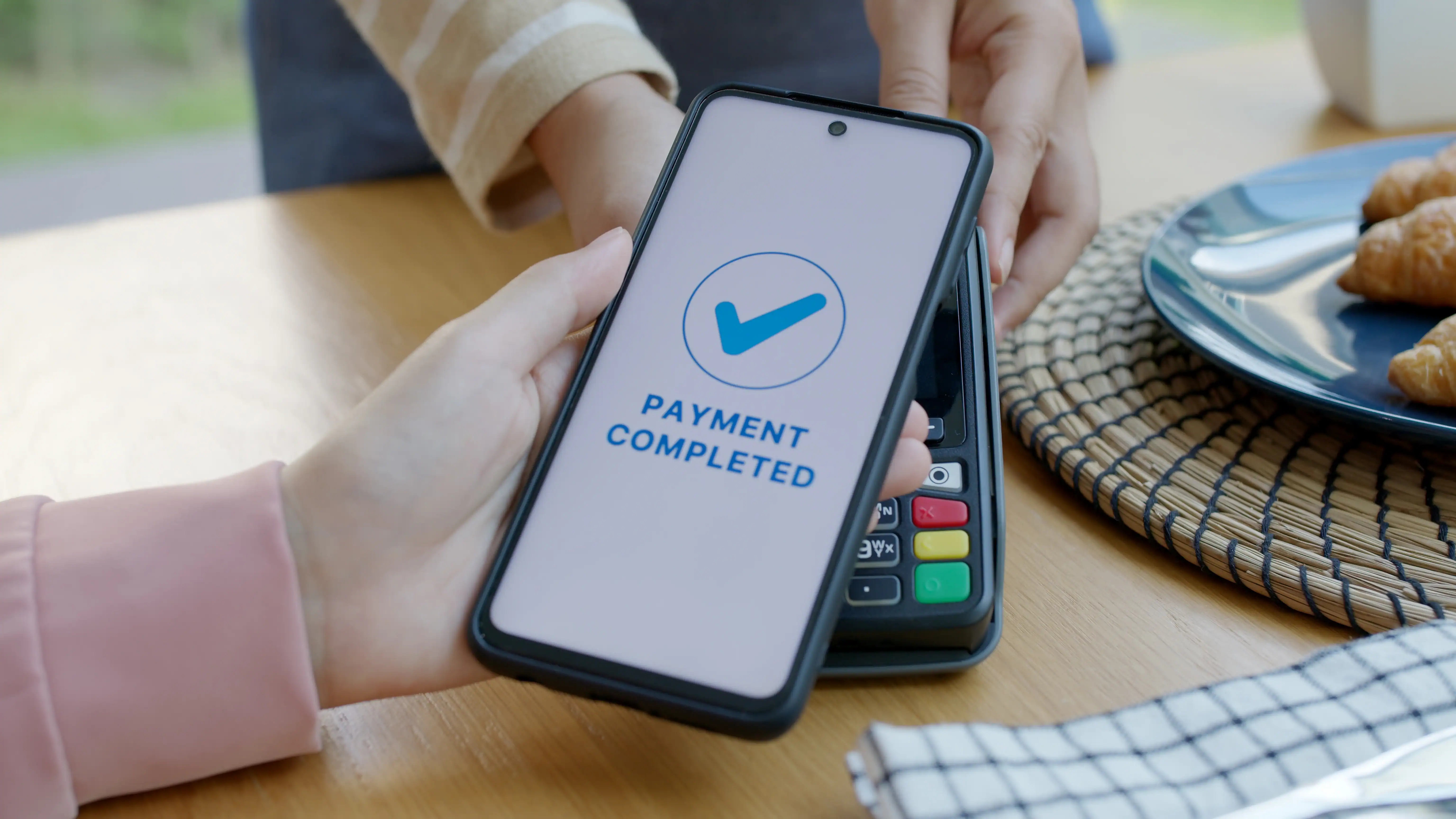
The most obvious benefit is the ability to accept credit and debit cards. But the advantages go much deeper than that. When you have a merchant account, you’re not just adding a payment option—you’re improving nearly every aspect of how your business handles money.
First, you’ll see an increase in sales. Studies consistently show that customers spend more when they pay with cards instead of cash. The average card transaction is around $112, compared to just $22 for cash. That’s a significant difference. People are more willing to make impulse purchases or buy higher-ticket items when they don’t have to hand over physical money. It’s called the cashless effect, and it’s real.
Second, your cash flow improves. With a merchant account, funds from card transactions are deposited into your business bank account within one to two business days. Compare that to waiting for checks to clear, which can take several days or even longer if there’s an issue. Faster access to your money means you can pay bills, restock inventory, and manage expenses more effectively. Some merchant account providers even offer same-day deposits, which can be a lifesaver during busy periods or when you need to cover unexpected costs.
Third, you reduce the risk and hassle of handling cash and checks. Cash requires counting, securing, and transporting to the bank—all of which take time and create opportunities for theft or error. Checks can bounce, leaving you without payment after you’ve already delivered goods or services. Electronic payments eliminate most of these headaches. Transactions are verified in real time, so you know the customer has the funds before you complete the sale.
Fourth, you gain access to better record-keeping and reporting. Merchant accounts come with detailed transaction records that make it easier to track sales, reconcile accounts, and prepare for tax season. Many providers offer dashboards and analytics tools that give you insights into sales trends, peak transaction times, and customer behavior. This data helps you make smarter business decisions and spot opportunities for growth.
Fifth, you enhance your credibility. Accepting card payments signals that you’re a legitimate, professional business. It builds trust with customers, especially new ones who might be hesitant to pay with cash or check. It also makes you more competitive. If a customer is choosing between your business and a competitor, the ability to pay with a card could be the deciding factor.
Finally, you open the door to online sales and recurring billing. If you want to sell products or services online, you need a way to accept payments remotely. A merchant account, paired with a payment gateway, makes that possible. It also allows you to set up subscription billing for services like memberships, classes, or maintenance contracts—creating predictable, recurring revenue streams.
Merchant accounts aren’t free. You’ll pay fees for the convenience and infrastructure they provide. Understanding these costs upfront helps you avoid surprises and choose the right provider for your business.
The biggest expense is the processing fee, which you pay on every transaction. This fee typically ranges from 1.5% to 3.5% of the transaction amount, depending on factors like the type of card used, how the payment is processed, and your industry. In-person transactions with chip cards usually have lower fees because they’re less risky. Online or keyed-in transactions—where the card isn’t physically present—tend to cost more due to higher fraud risk.
Processing fees are made up of three components. First, there’s the interchange fee, which goes to the bank that issued the customer’s card. This fee is set by the card networks like Visa and Mastercard and varies based on the card type. Credit cards typically have higher interchange fees than debit cards, and rewards cards cost even more. Second, there’s the assessment fee, which goes to the card network itself. This is usually a small percentage of the transaction. Third, there’s the processor markup, which is what your payment processor charges for their services. This is the part you can often negotiate.
Beyond transaction fees, you may encounter other charges. Some providers charge a monthly account fee, which can range from $10 to $50 or more, depending on the services included. There may also be fees for PCI compliance, which is the security standard required for handling card data. Chargeback fees are another consideration—if a customer disputes a transaction, you could be charged $20 to $50 per chargeback, even if you win the dispute.
Watch out for hidden or junk fees. Some providers charge statement fees, batch fees, minimum monthly processing fees, or early termination fees. These can add up quickly and significantly increase your overall costs. Maryland actually passed legislation in 2019 requiring merchant services providers to clearly disclose contract length, cancellation fees, and renewal dates in bold font, specifically because so many businesses were getting trapped by unclear terms.
When comparing providers, don’t just look at the advertised processing rate. Ask for a full breakdown of all fees. Calculate your effective rate—the total amount you’ll pay in fees divided by your total processing volume—to get a true picture of what the account will cost you. And make sure you understand the pricing model. Flat-rate pricing is simple and predictable but can be more expensive for high-volume businesses. Interchange-plus pricing is more transparent and often cheaper, but it requires understanding how interchange fees work.
The key is to find a provider whose fee structure aligns with your business model. If you process a lot of small transactions, you’ll want to minimize per-transaction fees. If you have high average ticket sizes, a slightly higher percentage rate might be worth it if it means avoiding monthly minimums or other fixed costs. And if you’re in a location like Maryland, Virginia, or DC, working with a local provider can give you more flexibility and better support without the hidden fees that national companies often bury in the fine print.
A merchant account is essential if you want to accept credit and debit cards. It’s the bridge between your customers’ banks and your business bank account, and it’s what makes electronic payments possible. Understanding how it works, what it costs, and how it differs from a payment processor helps you make informed decisions about your payment systems.
The right merchant account can increase your sales, improve your cash flow, and make your business more efficient. The wrong one can drain your profits with hidden fees and leave you without support when you need it most. Take the time to compare providers, ask questions, and read the fine print before you commit.
If you’re a business in Maryland, Virginia, or DC looking for transparent pricing, local support, and a provider that actually understands your market, we can help. Reach out to discuss your needs and find a solution that works for your business.
Summary:
Share: